The most expensive engineering decision most hardware startups make is not the one they make. It is the one they skip. A DFM review costs a fraction of a percent of a typical hardware development budget. The cost of skipping one shows up on the tooling invoice, weeks later, after the mold is already cut, when fixing the problem means modifying steel instead of editing CAD.
The most expensive engineering decision most hardware startups make is not the one they make. It's the one they skip. A DFM review costs a fraction of a percent of a typical hardware development budget. The cost of not doing one shows up on your tooling invoice.
What actually happens when you skip it
A large number of prototypes, especially those with internal electronics, usually require some form of enclosure. The cheapest type is a 2-part plastic enclosure that comes together to secure the internal components.
The difference between manufactured parts and prototyped parts is not always clear and, if one is inexperienced, not understood. Sometimes these differences are overlooked altogether. It often comes down to manufacturing methods. Consumer hardware companies keep learning the same lesson the expensive way.
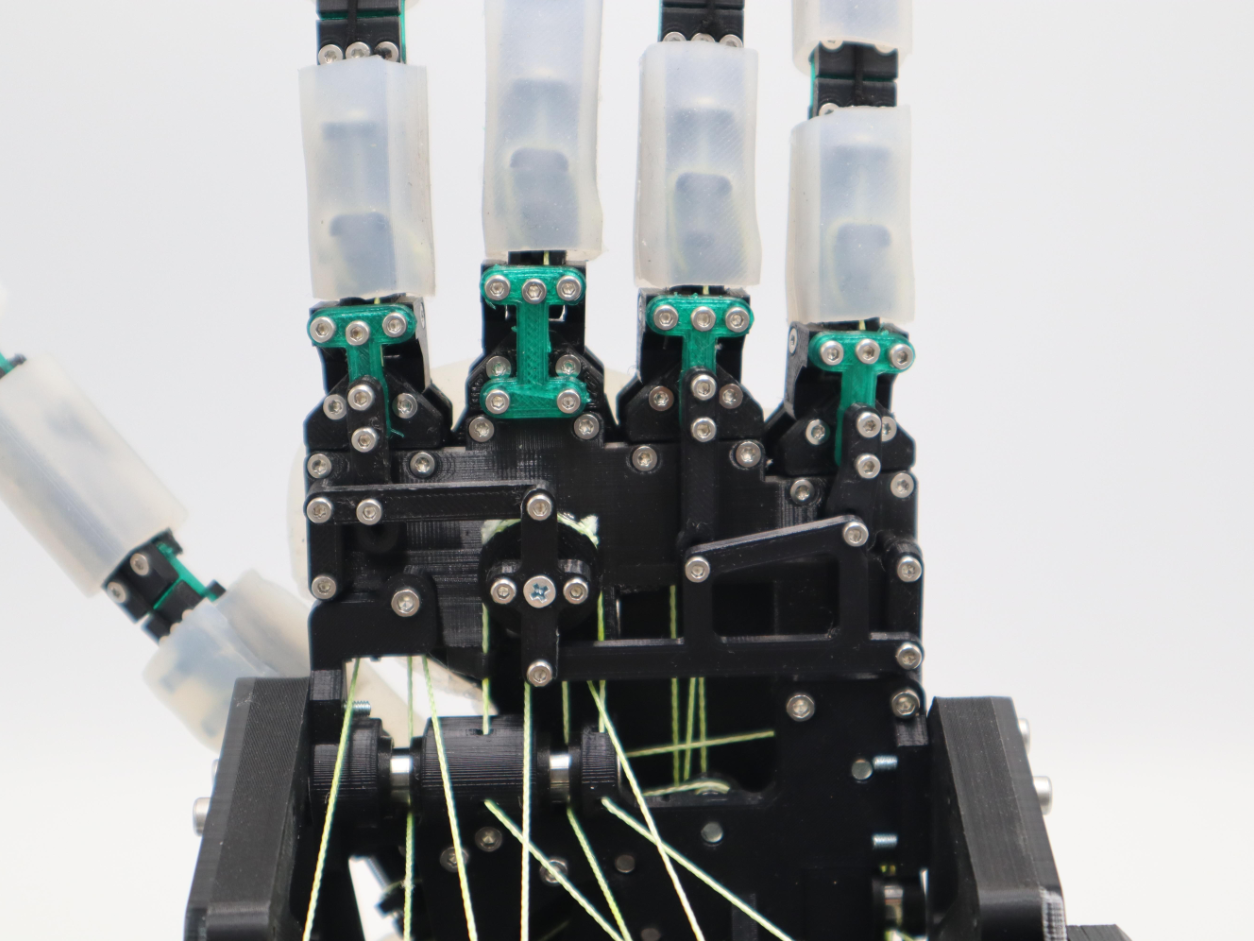
A 3D-printed part can be produced in a couple of hours, whereas injection molding the same part requires a couple of weeks. The materials may be the same, but the tooling is different, which is why prototyping does not always mean it can be manufactured. One of the first problems is that the DFM issues will only be noticed a few weeks later, when you have the part in hand, after all the tooling has been paid for. This brings you to a fork in the road: scrapping the project will result in losses. Or fixing the problem, which only adds to the existing costs. Whatever choice you make, you cannot change the fact that you have let a few weeks go by without any intervention.
First Article Inspection, the aerospace industry's formal process for verifying that first production parts match the design, exists precisely because this gap between design and production is well understood in aerospace.
The Numbers
A DFM session can take a few days of engineering time and is only a fraction of the tooling costs, while any sizable project will have a tooling budget in the tens of thousands of USD before any production has even occurred. After the first article is produced, the costs of correcting any defects and making changes to the part can add substantial costs, as a percentage of the original tooling costs, and delays.
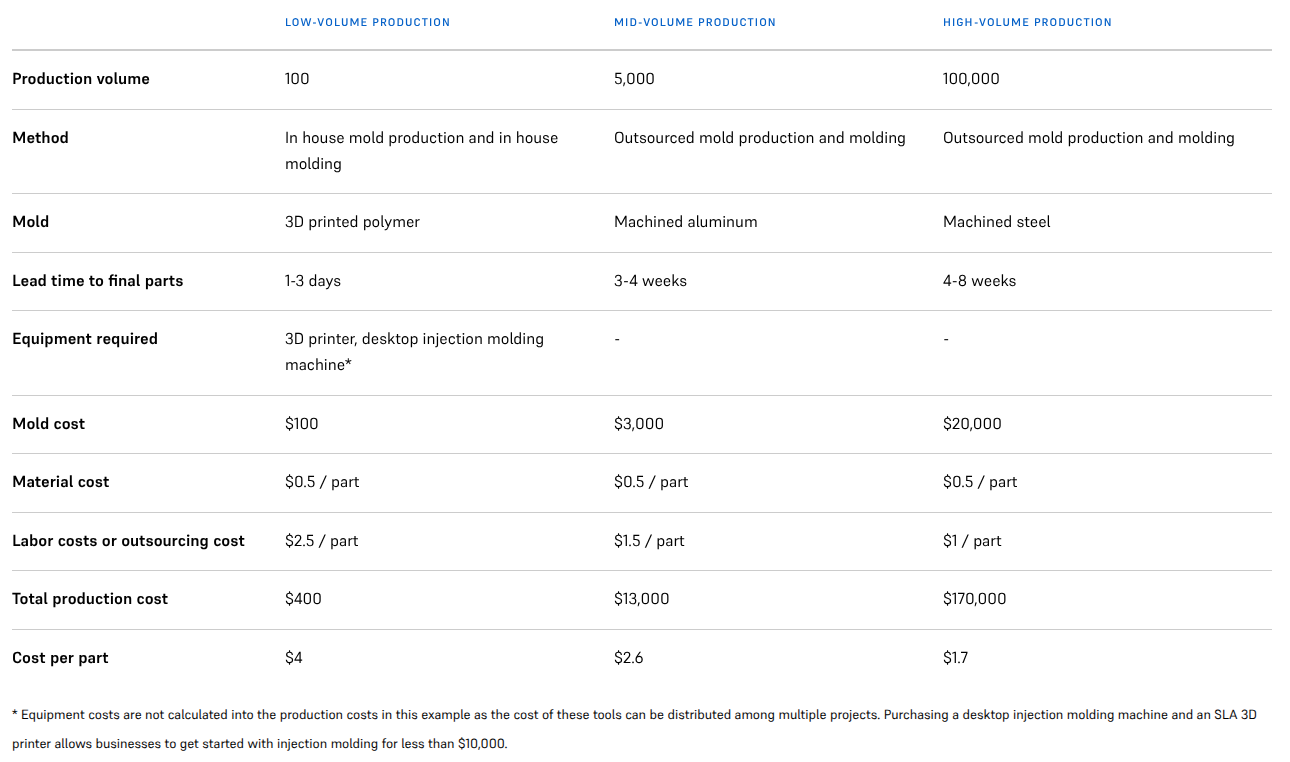
Above is a table of estimated costs for injection molding parts. According to Formlabs, injection mold tooling for a simple part starts at $3,000 and can exceed $100,000 for complex geometries
The cost ratio to keep in mind is the cost of fixing CAD versus fixing steel. An engineer who knows how to use CAD and understands the limitations and design constraints of production can tackle a problem in a few hours, whereas machining and modifying a mold assembly that weighs a ton pushes your timeline further into the future and can cost up to $100k. Every week of delay has a burn rate.
What a DFM review actually catches
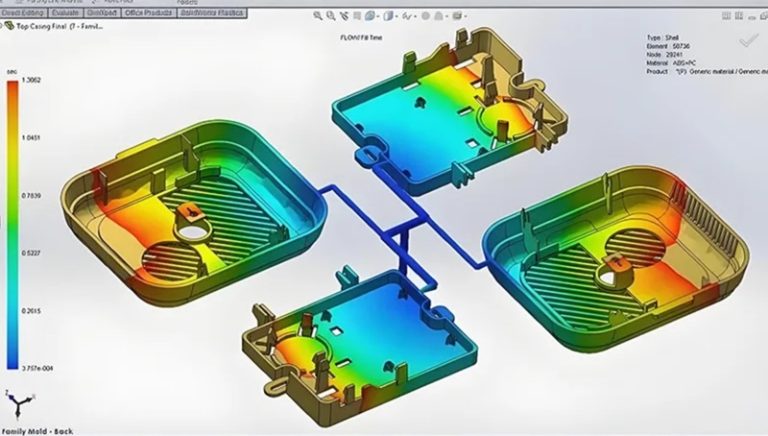
We spoke about plastic enclosures earlier. A common mistake is inconsistent thickness in a part or a section of a part. This is even more detrimental if the part is meant to be aesthetically pleasing. Thermodynamics plays a role here and almost always requires expensive rework. Knowing what to look for in terms of uniform thickness can save you time and money and only requires a visual inspection and a few hours.
Draft angles are another one that can sneak up on you; parts can't be removed from the mold without draft angles in the right places. If the part can be removed, it will have scuff marks.
Sometimes, a part that looks simple requires complex production processes; undercuts are a good example. Undercuts usually require adding another axis of operation to the mold, which further increases overall tooling costs by approximately 10% to 20% per side action.
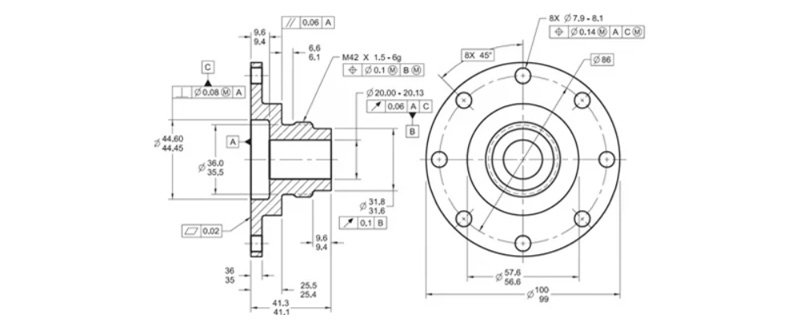
If you have not accounted for tolerances in your prototype, you may encounter a tolerance stack-up problem in which parts may not assemble well. This can also be caught pre-tooling through a DFM review process.
A lesser but still common enough problem is material selection. Material selection is the most expensive mistake to catch late. Unlike dimensional errors, a material specification failure often cannot be corrected by modifying the existing tool. The mold used for one polymer cannot simply be reused for another. The tooling restarts.
When to do it
The timing question of when it is too early or too late to do DFM reviews is both simple and difficult to pinpoint because of the nature of design. However, there is a standard approach that significantly reduces risk. If DFM is done too early, you may introduce more risks because the target is still moving. If done too late, you incur significant penalties, as stated above. The ideal time is when the prototype has proven itself as a working product.
When you feel the urge to pick up the phone and call the manufacturer if you are outsourcing, or contact the manufacturer department, that is when you run your DFM review to catch what was missed during the design phase. The pre-tooling milestone is a critical point in hardware development.
Closing
A DFM review is the moment in a hardware development program when the cost of fixing a problem is measured in hours, not weeks, and in hundreds of thousands of USD. The tool will be cut eventually. The only question is whether you know what you're committing to before you cut it.
Francis Kalonji Mbuyamba is the founder of Mbuyamba Engineering, a mechanical and aerospace engineering consultancy specializing in DFM review, durability engineering, and independent technical advisory for companies building physical products.